




The Ultimate Guide to ABS Sheets: Properties, Applications, and Benefits
What Are ABS Sheets?
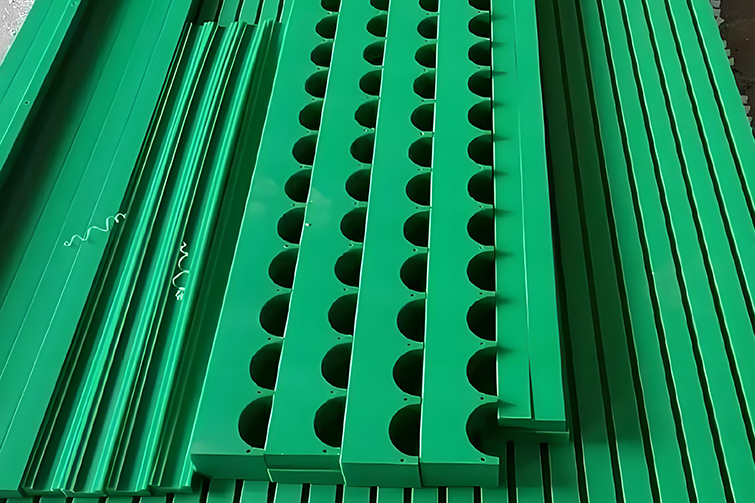
ABS sheets are made from acrylonitrile butadiene styrene, a tough and impact-resistant thermoplastic. They combine the strength of acrylonitrile and styrene with the flexibility of butadiene, resulting in a material that is both durable and easy to work with. ABS sheets are available in various thicknesses, colors, and finishes, making them suitable for a wide range of applications.
Key Properties of ABS Sheets
Impact resistance is one of the most notable properties of ABS sheets. They can withstand heavy blows without cracking, making them ideal for protective housings and automotive parts. Additionally, ABS sheets offer good chemical resistance to acids, alkalis, and oils, although they are susceptible to solvents. Another advantage is their easy machinability; they can be cut, drilled, and thermoformed with standard tools. The material also has a high gloss finish that can be painted or glued easily. However, ABS sheets have limited UV resistance unless specially treated, and they can degrade in prolonged sunlight.
Common Applications
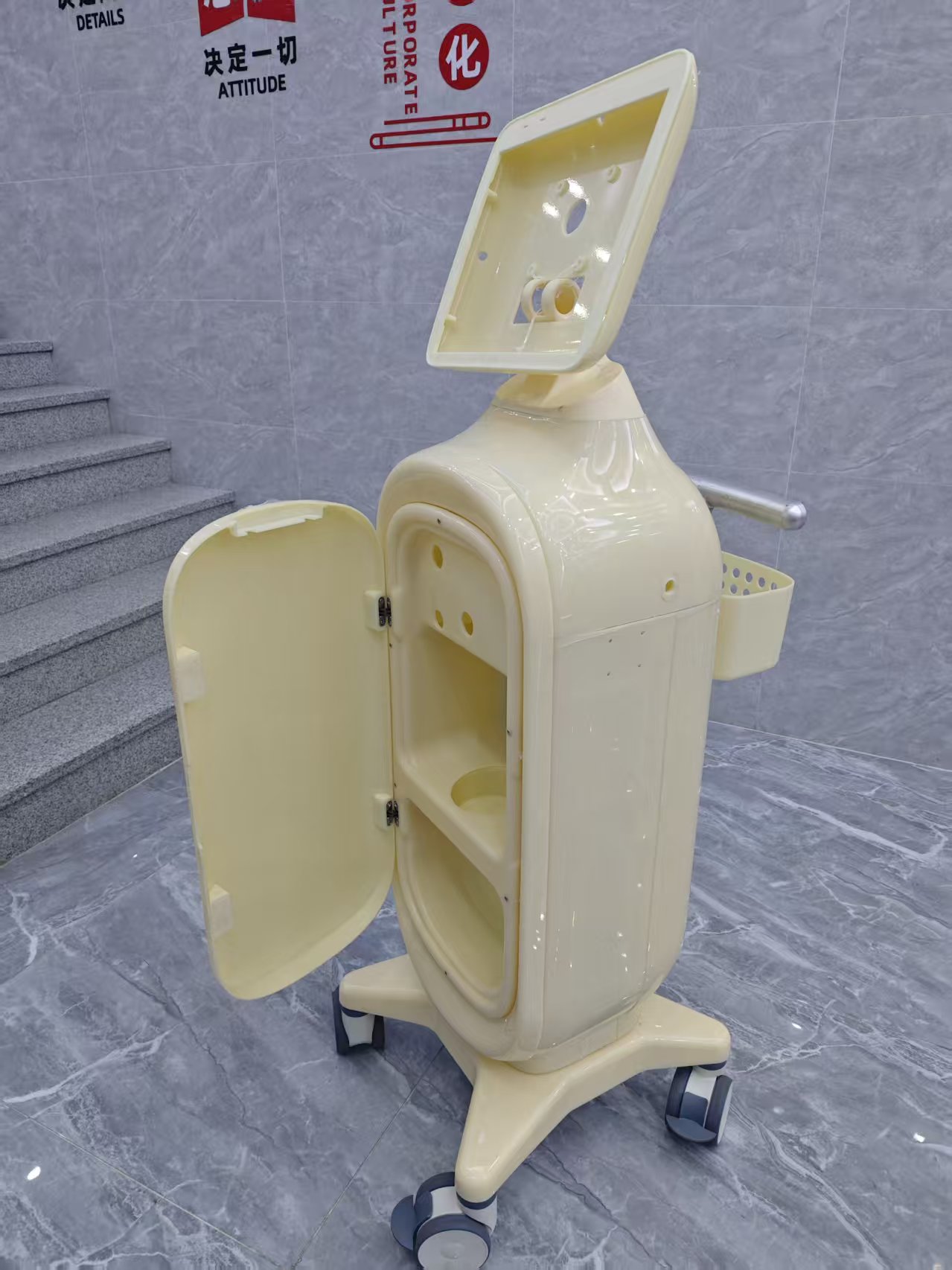
ABS sheets are found in numerous industries. In automotive, they are used for interior trim, dashboard components, and bumper fascias due to their toughness and aesthetic appeal. In consumer goods, ABS is the material of choice for luggage shells, power tool housings, and electronic enclosures. The construction industry uses ABS sheets for piping, fittings, and wall panels, while 3D printing enthusiasts prefer ABS filament for its strength and durability. Other applications include medical devices, toys (like LEGO bricks), and recreational vehicles.
Benefits of Using ABS Sheets
Choosing ABS sheets offers several benefits. Cost-effectiveness is a major factor; ABS is relatively inexpensive compared to other engineering plastics like polycarbonate. Its versatility allows it to be molded into complex shapes, making it ideal for custom parts. The material also provides good thermal stability up to 80°C, which is sufficient for many indoor applications. Furthermore, ABS sheets are recyclable, contributing to sustainable practices. They are also lightweight, reducing shipping costs and making them easier to handle.
How to Work with ABS Sheets
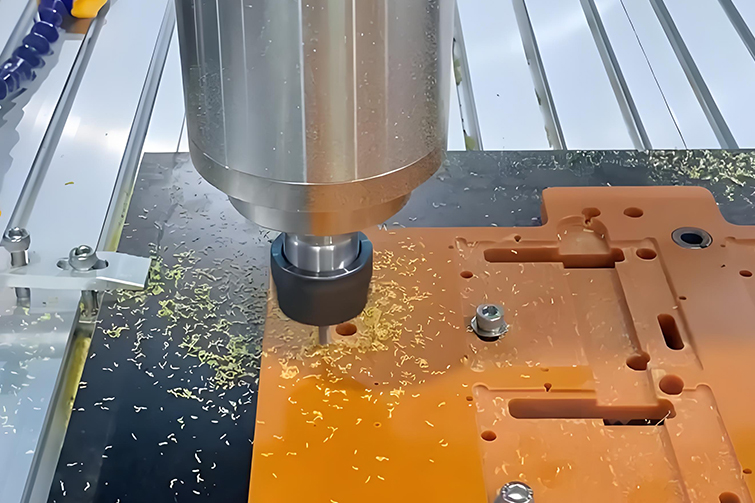
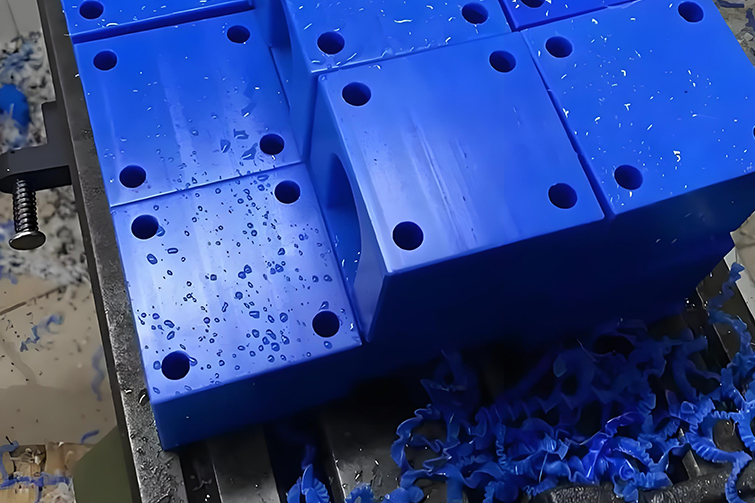
Working with ABS sheets requires some basic techniques. Cutting can be done with a saw or laser cutter; however, laser cutting may produce fumes, so proper ventilation is needed. Drilling should be done slowly to avoid melting the plastic. Thermoforming involves heating the sheet until soft and then shaping it over a mold. For bonding, use solvent cements like methyl ethyl ketone (MEK) or cyanoacrylate adhesives. Always wear protective gear, as fumes from cutting or bonding can be harmful.
Frequently Asked Questions
What is the difference between ABS and PVC sheets?ABS sheets are tougher and more impact-resistant, while PVC sheets are more chemical-resistant and better for outdoor use due to UV stability. ABS is easier to glue and paint, whereas PVC is more rigid and flame-retardant.
Can ABS sheets be used outdoors?Standard ABS sheets are not UV-resistant and will degrade in sunlight. However, UV-stabilized grades are available for outdoor use. Alternatively, you can paint or coat ABS sheets with UV-protective finishes.
How do you clean ABS sheets?Clean ABS sheets with a mild soap and water solution. Avoid abrasive cleaners or strong solvents, as they can damage the surface. For stubborn stains, use isopropyl alcohol sparingly.
Is ABS sheet food safe?Food-grade ABS sheets are available and used for food containers, but not all ABS is food-safe. Check for FDA or NSF certification if you need a food-safe material. Avoid using ABS for hot food or beverages.
Can ABS sheets be recycled?Yes, ABS sheets are recyclable. They can be ground down and reprocessed into new products. However, recycling facilities may be limited, so check local options. Some manufacturers also offer recycled ABS sheets.
Related Posts