





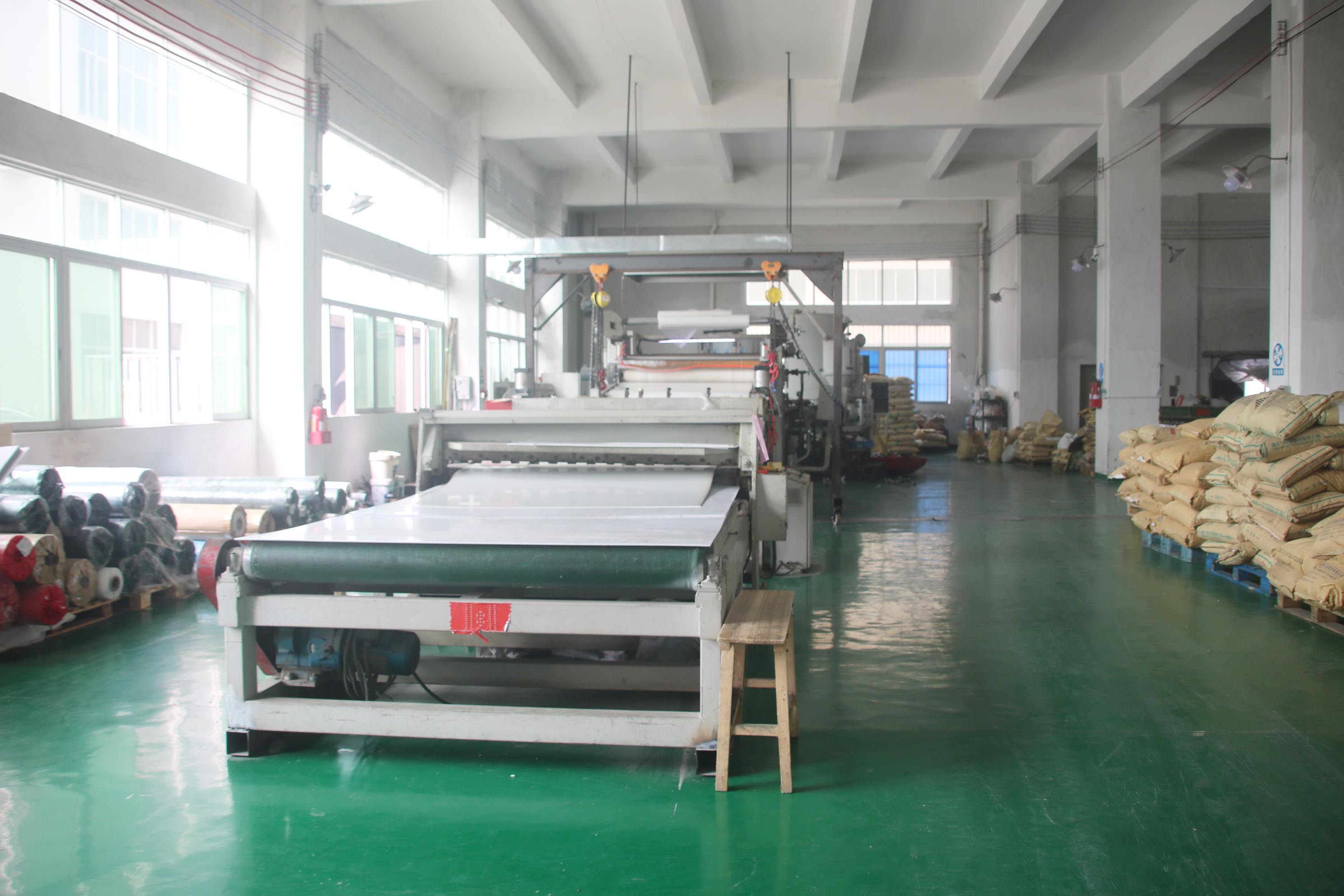
Custom Thick Vacuum Forming: A Comprehensive Guide to High-Impact Plastic Manufacturing
What Is Custom Thick Vacuum Forming?
Custom thick vacuum forming is a specialized technique that heats a thermoplastic sheet (typically 1/8" to 1/4" or thicker) until pliable, then draws it over a mold using vacuum pressure. Unlike thin-gauge forming, thick vacuum forming produces parts with excellent structural integrity, impact resistance, and dimensional stability. This process is ideal for low-to-medium volume production runs, offering fast turnaround and lower tooling costs compared to injection molding.
Key Advantages of Thick Gauge Vacuum Forming
The primary benefit of custom thick vacuum forming is its ability to create large, robust parts without expensive steel molds. It allows for rapid prototyping and design iterations, as molds can be made from wood, aluminum, or epoxy. Additionally, the process supports undercuts, ribs, and textured surfaces when designed appropriately. Thick parts offer superior weather resistance and can withstand heavy loads, making them suitable for outdoor and industrial applications.
Common Materials for Thick Vacuum Forming
Choosing the right material is critical. Common options include ABS (tough, impact-resistant), polycarbonate (high strength, optical clarity), HDPE (chemical resistant, food grade), and acrylic (UV stable, aesthetic). For fire-rated applications, consider PVC/FRP blends. Each material has distinct properties that affect formability, shrinkage, and durability. Always test material behavior with your design's geometry and end-use environment.
Design Considerations for Thick Parts
Successful thick vacuum forming requires draft angles of at least 3-5 degrees to facilitate part removal. Incorporate radii on corners to reduce stress concentrations. Wall thickness should be as uniform as possible to avoid thin spots; for deep draws, use material distribution analysis. Avoid sharp undercuts; instead, use split molds or inserts for complex features. Ensure adequate vacuum holes for consistent material contact.
The Manufacturing Process Step by Step
The process begins with preheating the sheet to its forming temperature (e.g., 300-400°F for ABS). The sheet is then clamped and stretched over the mold. Vacuum is applied, pulling the material tightly against the mold surface. After cooling (often with fans or mist), the part is trimmed via CNC router or robotic cutter. Secondary operations like drilling, bonding, or painting can be performed. Total cycle time ranges from 5-30 minutes depending on size and complexity.
Quality Control and Tolerances
Thick vacuum forming can achieve tolerances of ±0.010" per foot, but tight tolerances require precise mold making and process control. Monitor sheet temperature uniformity and vacuum levels. Inspect for webbing, blistering, or bridging—common defects. Use fixturing for repeatability. Implement first article inspection (FAI) and statistical process control (SPC) for high-volume runs.
Applications Across Industries
Custom thick vacuum forming serves diverse sectors: automotive (dashboards, ducts), medical (MRI machine covers, patient beds), construction (skylights, facade panels), and consumer goods (kayaks, truck caps). Its low tooling cost makes it ideal for prototyping and limited-edition products. Thick parts can replace metal or fiberglass in many structural applications.
Cost Factors and Lead Times
Pricing depends on part size, thickness, material, and quantity. Tooling costs range from $1,000 for a simple mold to $15,000+ for complex, machined aluminum molds. Part price per unit decreases with volume. Typical lead time for tooling is 2-4 weeks, with production starting within a week afterward. Consider design for manufacturability to optimize costs.
Frequently Asked Questions
What is the maximum part size for thick vacuum forming? Many machines can handle sheets up to 10 feet by 20 feet, with maximum depths around 6 feet. Larger parts may require custom machines or segmented forming.
Can I achieve Class A surface finish? Yes, with proper mold polishing and using materials like acrylic or high-gloss ABS. Texture can be added via embossed molds.
How does this compare to injection molding? Vacuum forming has lower tooling costs but higher per-unit cost. It's best for runs under 10,000 units, while injection molding excels at high volumes (100,000+).
How durable are thick vacuum formed parts? Properly designed parts can withstand extreme temperatures, UV exposure, and impact. Polycarbonate is nearly unbreakable, while ABS offers excellent chemical resistance.
Can I incorporate metal inserts or printed graphics? Yes, inserts can be molded in (often via heat staking), and graphics can be screen printed or pad printed post-forming.