





Mastering Plastic Shell Processing: Techniques, Trends, and Best Practices
Overview of Plastic Shell Processing
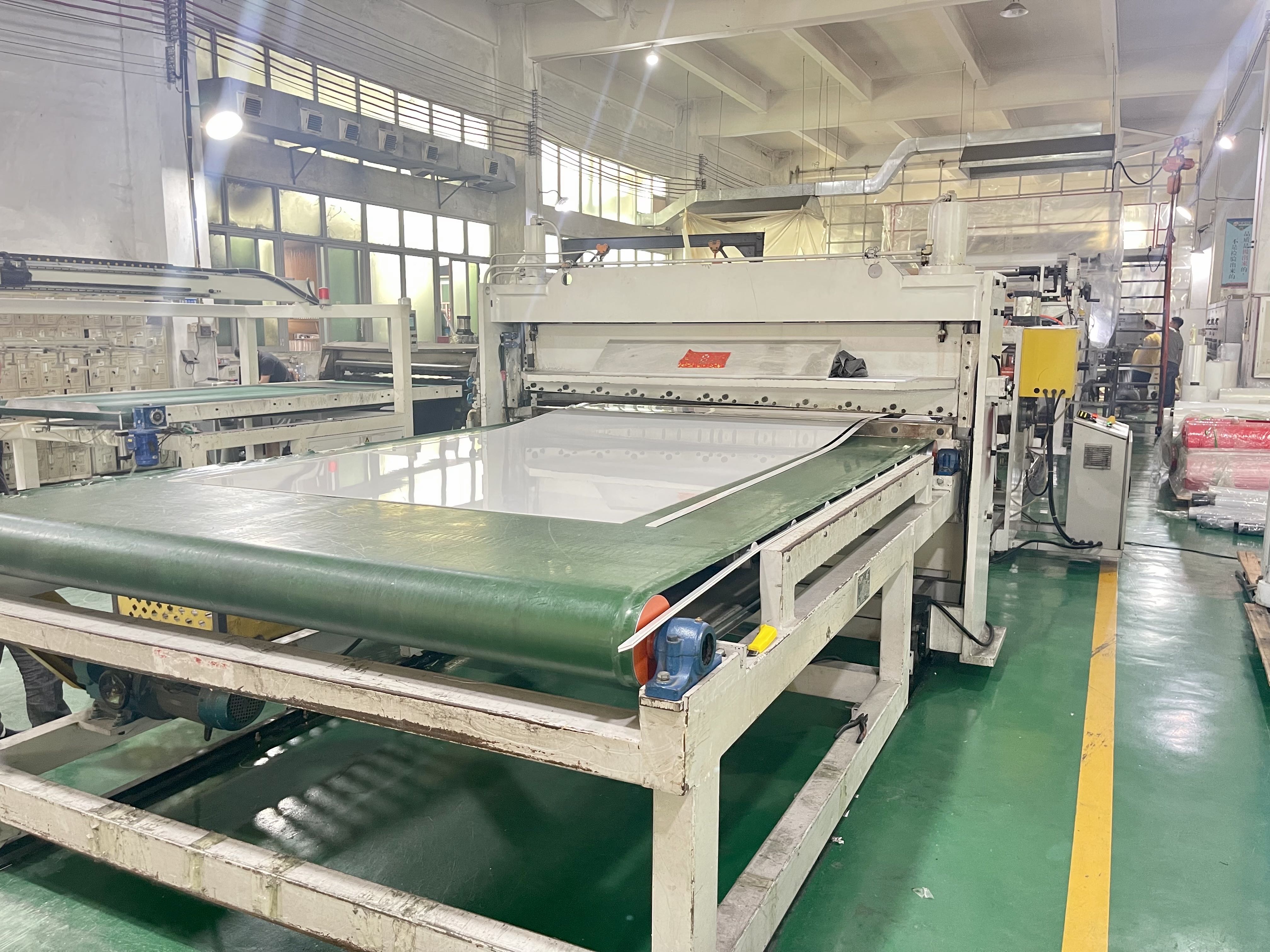
Plastic shell processing refers to the manufacturing of outer casings or enclosures from plastic materials, primarily through methods like injection molding, blow molding, and thermoforming. These shells protect internal components, provide aesthetic appeal, and ensure durability. The process is widely applied in products such as smartphone cases, automotive dashboards, and medical device housings.
Key Manufacturing Techniques
Injection molding is the most common technique, where molten plastic is injected into a mold cavity under high pressure. It offers high precision, repeatability, and efficiency for complex geometries. Blow molding is used for hollow shells, like bottles and containers, while thermoforming involves heating a plastic sheet and forming it over a mold. Each method has its advantages depending on production volume, material, and design complexity.
Material Selection for Plastic Shells
Choosing the right plastic material is crucial. Common options include ABS for its toughness, polycarbonate for impact resistance, and polypropylene for chemical resistance. Thermoplastics are preferred for their recyclability and ease of processing. Factors like UV stability, flame retardancy, and cost must be considered based on the product's end-use environment.
Quality Control in Processing
Quality control ensures consistent shell dimensions, surface finish, and mechanical properties. Parameters like temperature, pressure, and cooling time must be monitored. Common defects include warping, sink marks, and flash. Implementing statistical process control (SPC) and regular mold maintenance can reduce defects and improve yield.
Surface Finishing and Decoration
After molding, shells often undergo finishing processes like painting, plating, or texturing to enhance appearance and feel. In-mold decoration (IMD) and pad printing are popular for adding graphics. These steps also improve scratch resistance and grip. Careful handling and curing are essential to avoid surface defects.
Cost Optimization Strategies
To reduce costs, optimize mold design for faster cycle times, use multicavity molds for high-volume production, and select materials with lower processing temperatures. Thin-wall molding reduces material usage while maintaining strength. Additionally, automating post-processing steps can lower labor costs.
Sustainability and Recycling
The plastic industry is moving towards sustainable practices. Using recycled plastics, designing for disassembly, and adopting bio-based materials are key trends. Life cycle assessment (LCA) helps evaluate environmental impact. Proper waste management and recycling programs are essential to minimize ecological footprint.
Emerging Technologies
Advanced technologies like 3D printing for rapid prototyping, micro-molding for small shells, and intelligent mold systems with sensors improve efficiency and flexibility. Industry 4.0 integration enables real-time monitoring and predictive maintenance, reducing downtime and enhancing quality.
Common Challenges and Solutions
Common challenges include mold wear, material wastage, and dimensional instability. Regular preventive maintenance, using high-quality steel for molds, and proper material drying can mitigate these issues. Collaborating with experienced mold makers and material suppliers also helps.
Conclusion
Plastic shell processing is a dynamic field requiring careful consideration of materials, processes, and design. By staying updated with trends and focusing on quality and sustainability, manufacturers can produce reliable and competitive products.
Frequently Asked Questions
What is the most common method for plastic shell processing?Injection molding is the most widely used method due to its high precision, efficiency, and ability to produce complex shapes.
How can I reduce Warping in plastic shells?Warping can be minimized by uniform cooling, proper gate design, and using materials with low shrinkage rates.
Is it possible to use recycled plastic for shells?Yes, recycled plastics are increasingly used, but they may require blending with virgin material to maintain mechanical properties and appearance.