





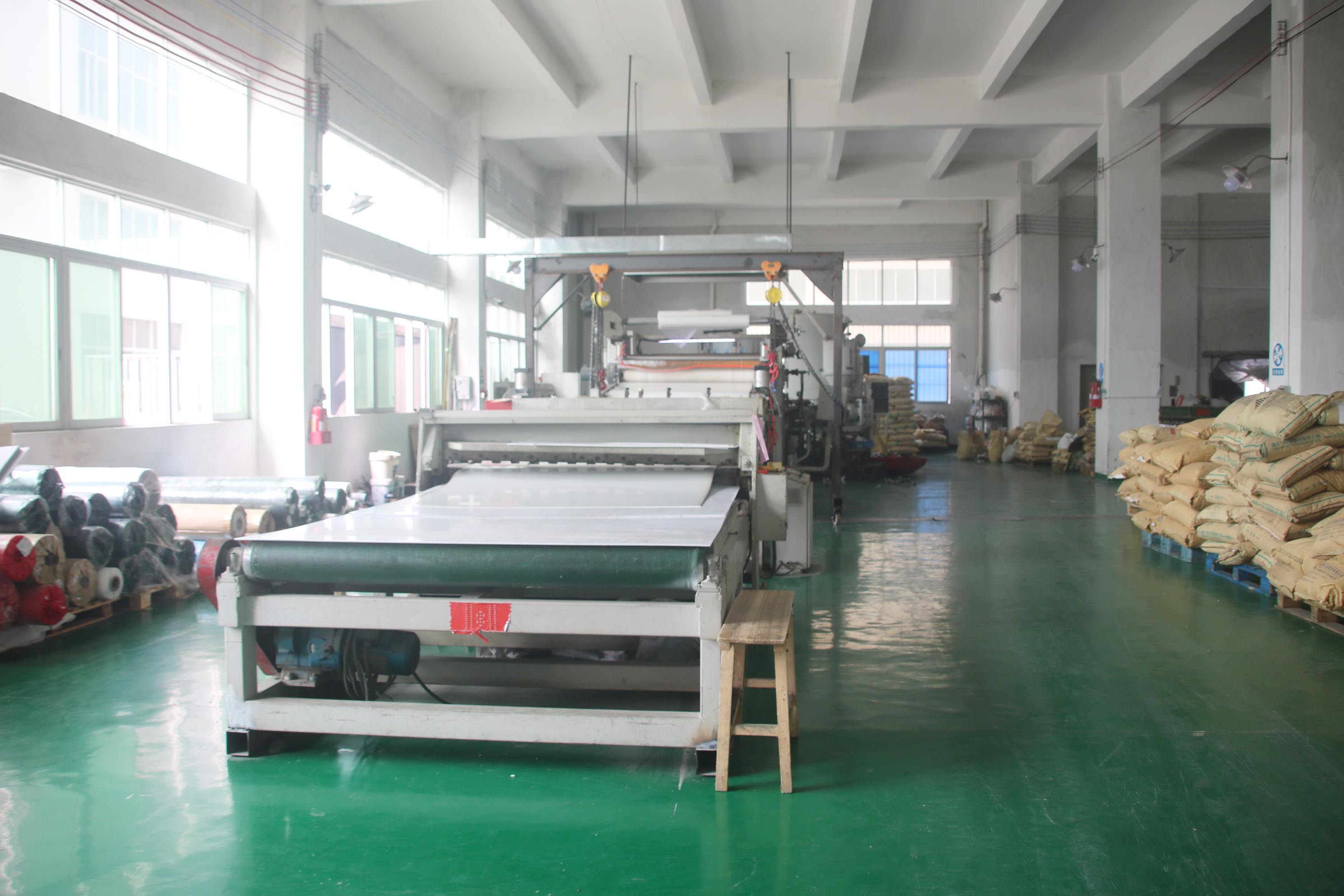
Mastering Thick Sheet Vacuum Forming Processing: Techniques, Applications, and Best Practices
Understanding Thick Sheet Vacuum Forming Processing
Thick sheet vacuum forming processing is a thermoforming technique where a plastic sheet, typically 0.125 inches (3 mm) or thicker, is heated until pliable and then drawn over a mold using vacuum pressure. Unlike thin sheet forming, thick sheet processing requires careful control of heating, cooling, and material selection to avoid defects such as webbing, sagging, or uneven wall thickness. The process is widely used in industries such as automotive, aerospace, medical, and heavy machinery for producing components like dashboards, bathtubs, and industrial trays. Key factors include sheet thickness tolerance, mold design, and temperature profile.
Material Selection for Thick Sheet Forming
Choosing the right material is critical for successful thick sheet vacuum forming processing. Common thermoplastics include ABS (acrylonitrile butadiene styrene) for impact resistance, polycarbonate for high strength and thermal stability, and HDPE for chemical resistance. Each material has specific heating requirements; for example, polycarbonate requires higher forming temperatures (typically 300-350°F) compared to ABS (around 280-320°F). Additionally, thicker sheets demand longer heating cycles to ensure uniform temperature distribution. Material shrinkage must be accounted for in mold design, especially for high-precision parts.
Key Steps in the Thick Sheet Vacuum Forming Process
The process begins with sheet heating, where the plastic is clamped and heated by radiant heaters to its forming temperature. For thick sheets, dual-sided heating (top and bottom) is often used to reduce heat-up time and prevent sagging from gravity. Once softened, the sheet is lowered over a male or female mold, and a vacuum (typically 20-25 inches of mercury) is applied to evacuate air between the sheet and mold, forcing the plastic to conform. Cooling is then performed using fans or misting systems to solidify the part before demolding. For thick parts, cooling time can be significant to avoid warpage.
Mold Design Considerations
Molds for thick sheet vacuum forming processing must be robust and often incorporate features like draft angles (3-5 degrees) to facilitate release, as well as vent holes (typically 0.02-0.05 inches) to allow air escape. Material choices for molds include wood, aluminum, or epoxy, with aluminum preferred for production runs due to thermal conductivity. For deep draws, a plug assist may be used to distribute the sheet uniformly and prevent thinning. The mold surface finish directly affects the part's surface quality; a polished mold produces a glossy finish, while a textured mold yields a matte look.
Common Defects and Troubleshooting
In thick sheet forming, webbing occurs when the sheet bridges between mold features due to insufficient vacuum or high temperature. Sagging happens during heating if the sheet becomes too soft, requiring support or air pressure. Uneven wall thickness results from improper material distribution; adjusting the forming pressure or using a pressure box can help. Shrinkage marks appear if cooling is uneven or if mold temperature is too high. Solutions include optimizing heating zones, increasing vacuum pressure, or adding features like bubble traps.
Applications of Thick Sheet Vacuum Forming
This process is ideal for producing large, low-to-medium volume parts with good structural integrity. Examples include automotive interior panels, medical device housings, and sports equipment like kayaks or helmet liners. In industrial settings, thick sheet forming creates storage tanks and machine guards. The ability to use multiple materials and colors makes it attractive for prototypes and custom designs.
Best Practices for Quality Control
To ensure consistent results, monitor key parameters: sheet thickness variation should be within ±5% of nominal, oven temperature uniform within ±5°F, and vacuum level maintained above 20 inHg. Implement a process checklist that includes pre-heating the mold to 120-180°F to reduce thermal shock. Use optical gauges to measure formed part dimensions and adjust mold corrections as needed. Document each run for traceability, especially for medical or aerospace applications.
常见问题
Q: What is the maximum sheet thickness for vacuum forming?
A: Typically up to 0.5 inches (12 mm) for standard machines, but specialized equipment can form sheets up to 1 inch thick.
Q: How long does the heating process take for thick sheets?
A: For a 0.25-inch ABS sheet, heating may take 3-5 minutes per side; thicker sheets require proportionally longer times.
Q: Can thick sheet parts be painted or textured?
A: Yes, parts can be painted, coated, or textured using secondary operations like spray painting or UV curing.
Q: What is the typical cycle time for thick sheet forming?
A: Cycle times range from 5 to 15 minutes, depending on thickness, material, and cooling method.