





Tall Shell Vacuum Forming: Techniques, Applications, and Best Practices
Understanding Tall Shell Vacuum Forming
Tall shell vacuum forming is a variation of traditional vacuum forming used to produce parts with significant depth, such as enclosures, trays, and automotive components. The process involves heating a thermoplastic sheet until pliable, then using a vacuum to draw it over a mold. For tall shells, even material distribution and precise mold design are critical to avoid thinning or tearing.
Key Techniques for Success
Achieving consistent results in tall shell forming requires careful control of several parameters. First, sheet thickness selection is vital: thicker sheets provide better material distribution, while thinner sheets risk failure. Pre-stretching (or bubble-forming) is a common technique where the heated sheet is inflated before draping over the mold, reducing uneven thinning. Additionally, draft angles of at least 3-5 degrees help the part release from the mold, preventing warping.
Materials and Their Impact
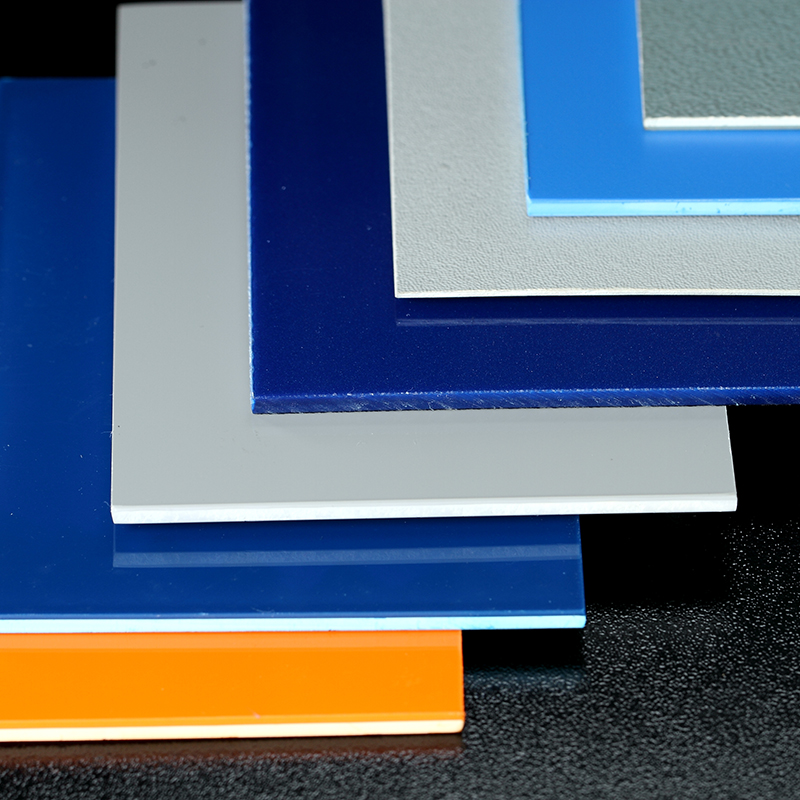
The choice of material directly affects part strength, appearance, and cost. Common thermoplastics include ABS for toughness, HIPS for cost-effectiveness, and polycarbonate for heat resistance. For tall shells, materials with high melt strength (e.g., ABS or PETG) perform better as they resist sagging during heating. Color consistency and UV resistance are also considerations for outdoor applications.
Common Applications
Tall shell vacuum forming is widely used across industries. In automotive, it creates dashboards and interior panels; in medical devices, it forms equipment housings; and in consumer goods, it makes point-of-purchase displays. The process is ideal for low-to-medium volume production where injection molding would be too expensive.
Frequently Asked Questions
What is the maximum depth achievable in tall shell forming?
Depths vary based on material and sheet thickness, but typical limits range from 12 to 36 inches. Using advanced pre-stretch techniques can extend this.
How do I prevent thin spots in deep draws?
Ensure uniform heating, use a pre-stretch bubble, and design molds with generous radii. Increasing sheet thickness also helps.
Can tall shell forming be used for transparent parts?
Yes, but clarity depends on material. Polycarbonate or acrylic can be transparent if processed with care to avoid scratches.