





Thermoforming: A Comprehensive Guide to the Process, Applications, and Advantages
Introduction to Thermoforming
Thermoforming is a manufacturing process that involves heating a thermoplastic sheet to a pliable forming temperature, then shaping it in a mold to create a specific part. It is one of the most widely used techniques for producing plastic products, ranging from simple packaging trays to complex automotive components. The process is favored for its cost-effectiveness, especially at medium to high production volumes, and its ability to produce large parts with relatively low tooling costs compared to injection molding.
The Thermoforming Process Explained
The thermoforming process begins with a plastic sheet material, which is typically supplied in rolls or as individual sheets. The sheet is then heated in an oven until it becomes soft and pliable. Once the sheet reaches the correct temperature, it is transferred to a mold station where it is formed. The formation is achieved through several methods:
- Vacuum forming: The sheet is clamped over the mold, and a vacuum is applied to the cavity, pulling the sheet tightly against the mold surface.
- Pressure forming: Similar to vacuum forming but uses positive air pressure on the opposite side of the sheet to force it into the mold, resulting in sharper details and textures.
- Mechanical forming: The sheet is pressed against the mold using a matched or plug assist, which is particularly useful for deep draws.
After forming, the part is cooled and then trimmed to remove excess material. The entire process can be automated for high-volume production, ensuring consistency and efficiency.
Materials Used in Thermoforming
Thermoforming is compatible with a wide range of thermoplastic materials, each offering distinct properties. Common materials include:
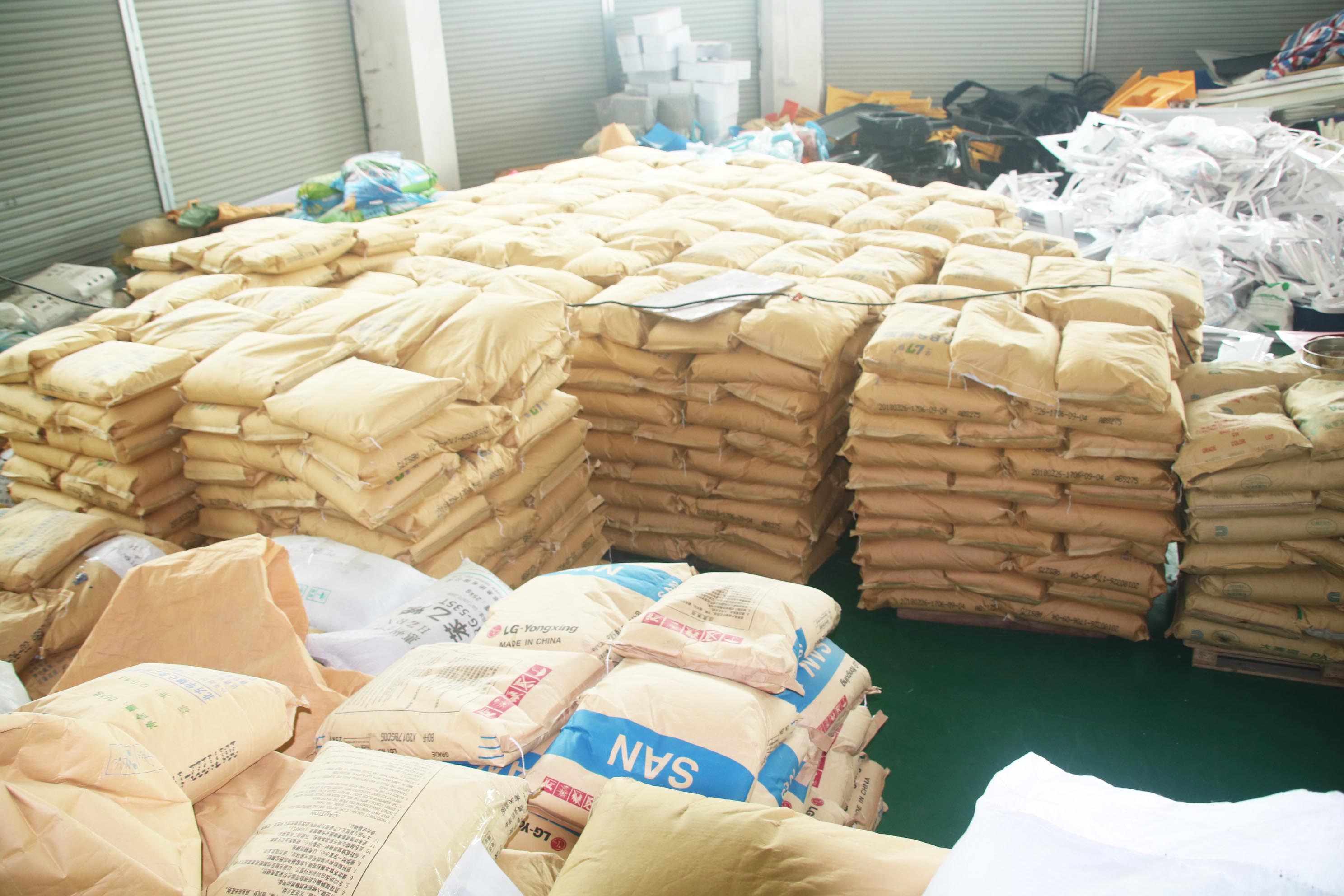
- Polystyrene (PS): Low cost and rigid, ideal for packaging and disposable items.
- Polyethylene (PE): Durable and resistant to chemicals, used for tanks and containers.
- Polypropylene (PP): Excellent fatigue resistance, suitable for automotive parts and furniture.
- Polyvinyl Chloride (PVC): Strong and flexible, often used for medical devices and signage.
- Acrylonitrile Butadiene Styrene (ABS): Tough and impact-resistant, perfect for electronic housings and automotive interiors.
- Polycarbonate (PC): High clarity and impact strength, used in safety equipment and optical lenses.
The selection of material depends on the application requirements, including mechanical strength, thermal resistance, and aesthetic appeal.
Advantages of Thermoforming
Thermoforming offers several compelling advantages over other manufacturing methods:
- Cost-effective tooling: Molds used in thermoforming, especially for vacuum forming, are less expensive than injection molds, making it economical for low-to-medium production runs.
- Design flexibility: Thermoforming allows for large and complex shapes that might be difficult or impossible with other processes. It also supports features like undercuts (with movable tooling) and textures.
- Rapid prototyping: Because tooling is relatively quick to produce, thermoforming is an excellent choice for prototyping new products before committing to high-volume production.
- High strength-to-weight ratio: Parts made from thermoformed plastics are lightweight yet durable, reducing shipping costs and improving fuel efficiency in automotive applications.
- Recyclability: Most thermoforming materials are recyclable, aligning with sustainability goals.
Applications Across Industries
Thermoforming finds applications in a diverse range of industries:
- Packaging: Blister packs, clamshells, and trays for consumer goods and food products.
- Automotive: Interior panels, dashboard covers, and under-hood components.
- Medical: Equipment housings, diagnostic components, and disposable devices.
- Aerospace: Aircraft interior parts, such as seat backs and paneling.
- Agriculture: Tractor components, planting trays, and greenhouse panels.
- Point-of-purchase (POP) displays: Custom shapes for retail displays.
The process adapts easily to produce both large and small parts, making it a go-to solution for many manufacturers.
Design Considerations for Thermoforming
To maximize the benefits of thermoforming, designers should keep the following in mind:
- Draft angles: A minimum draft of 1-3 degrees is recommended to facilitate part removal from the mold.
- Uniform wall thickness: The sheet should be heated and formed to maintain consistent thickness, avoiding weak areas.
- Corner radii: Sharp corners can cause stress concentration; use radii of at least 1.5 times the material thickness.
- Deep draws: For deep parts, consider using plug assists or advanced techniques to avoid excessive thinning.
- Material thickness: The starting sheet thickness affects part strength and cost; optimize for the required performance.
Working closely with a thermoforming specialist early in the design phase can prevent costly mistakes.
Common Questions About Thermoforming
What is the difference between vacuum forming and pressure forming? (Answer: Vacuum forming uses suction to draw the plastic onto the mold, while pressure forming uses positive air pressure. Pressure forming provides sharper detail and texture but requires a more robust mold and is slightly more expensive.)
What materials are best for food packaging? (Answer: PET, HDPE, and PLA are popular for food contact applications due to their safety, clarity, and recyclability.)
Can thermoformed parts be recycled? (Answer: Yes, most thermoplastics are recyclable. However, the recycling process may depend on the material type and local facilities.)
How does thermoforming compare to injection molding? (Answer: Thermoforming has lower tooling costs and is better for large or short-run parts, while injection molding offers higher dimensional accuracy and faster cycle times for mass production.)
What is the maximum size of a thermoformed part? (Answer: With specialized equipment, thermoforming can produce parts as large as a pickup truck bed liner, though most parts are within a few feet.)